
Japanese wall-mounted plant pots transcend mere containers; they are miniature works of art, seamlessly integrating aesthetics with practicality. From ancient ceramic traditions to contemporary metal designs, these pots showcase the meticulous attention to detail that defines Japanese design principles. Their careful consideration of form, function, and cultural symbolism creates a unique visual language, perfect for enhancing any space.
This exploration delves into the world of Japanese wall-mounted plant pots, examining their diverse styles, materials, and design considerations. We’ll cover everything from choosing the perfect pot for your plant to understanding the history and evolution of this captivating design element.
Overview of Japanese-Style Wall-Mounted Pots
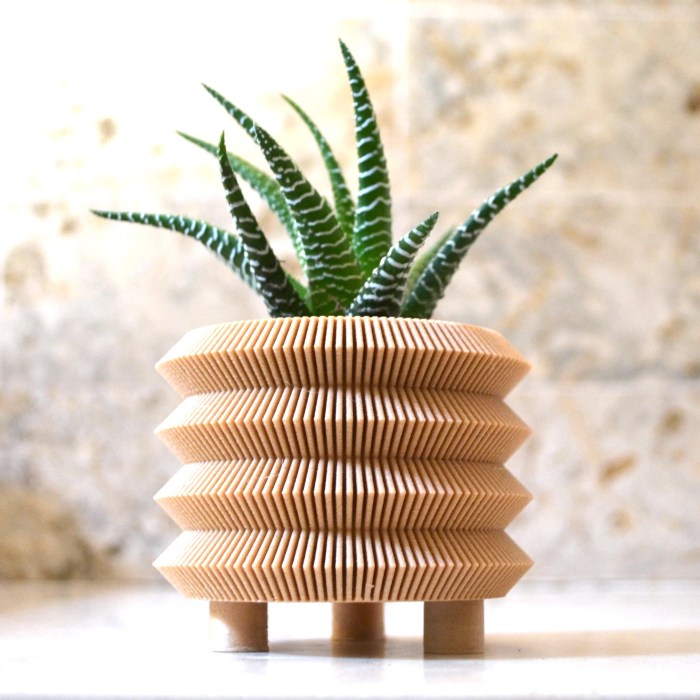
Japanese wall-mounted plant pots are more than just functional containers; they are integral components of a meticulously curated aesthetic. Their presence embodies a deep-seated appreciation for nature’s beauty, integrated seamlessly into the architectural and interior design of Japanese homes. This integration reflects the Japanese philosophy of wabi-sabi, which embraces the beauty of imperfection and impermanence.Japanese wall-mounted plant pots, often minimalist and understated, serve as visual anchors, creating a calming atmosphere within the space.
They frequently highlight the natural beauty of the plant itself, rather than drawing attention to the pot. The materials, craftsmanship, and placement are carefully considered, reflecting a profound connection to nature and an emphasis on tranquility.
Aesthetic Characteristics
Japanese wall-mounted pots frequently feature a clean, uncluttered aesthetic. They prioritize simplicity and elegance, emphasizing the natural beauty of the plant. The design often incorporates organic shapes and lines, evoking a sense of harmony and balance. This approach mirrors the Japanese aesthetic of ma, or empty space, which can enhance the perception of serenity. The pots are often placed strategically to complement the surrounding environment, rather than dominate it.
Materials
Common materials for Japanese wall-mounted pots include ceramic, wood, and bamboo. Ceramic pots are prized for their versatility in shape and color, often exhibiting intricate glazes or natural finishes. Wooden pots, especially those made from cedar or cypress, provide a warm, earthy tone and evoke a connection to the natural world. Bamboo pots bring a lightness and natural elegance to the design, often reflecting the essence of Japanese craftsmanship.
The selection of material often dictates the overall tone and character of the display.
Cultural Significance
The design of Japanese wall-mounted plant pots is deeply rooted in Japanese aesthetics and cultural values. They represent a harmonious integration of nature and human design, reflecting a reverence for the natural world. The pots are often designed to complement the environment, emphasizing the relationship between the plant and its surroundings. They serve as visual reminders of the beauty and transience of life.
Shapes and Sizes
Japanese wall-mounted pots exhibit a variety of shapes and sizes, reflecting the diversity of plant species they house. From elongated, cascading forms suitable for trailing plants, to compact, rounded shapes ideal for small, potted plants, the forms are often inspired by natural elements like rocks, branches, and flowing water. The size of the pot is carefully chosen to complement the size and character of the plant.
Proportion is paramount, creating a sense of balance within the overall design.
Color Palettes
The color palettes employed in Japanese wall-mounted plant pots frequently reflect natural tones and subtle variations. Earthy hues such as muted greens, browns, grays, and whites are prevalent, often mirroring the colors of natural elements. These colors evoke a sense of serenity and tranquility, aligning with the Japanese philosophy of embracing the natural world. The use of darker colors like black or deep brown is also sometimes used, but often less frequently, to add a touch of sophistication.
The chosen color palette plays a significant role in the overall ambiance of the space.
Types and Variations
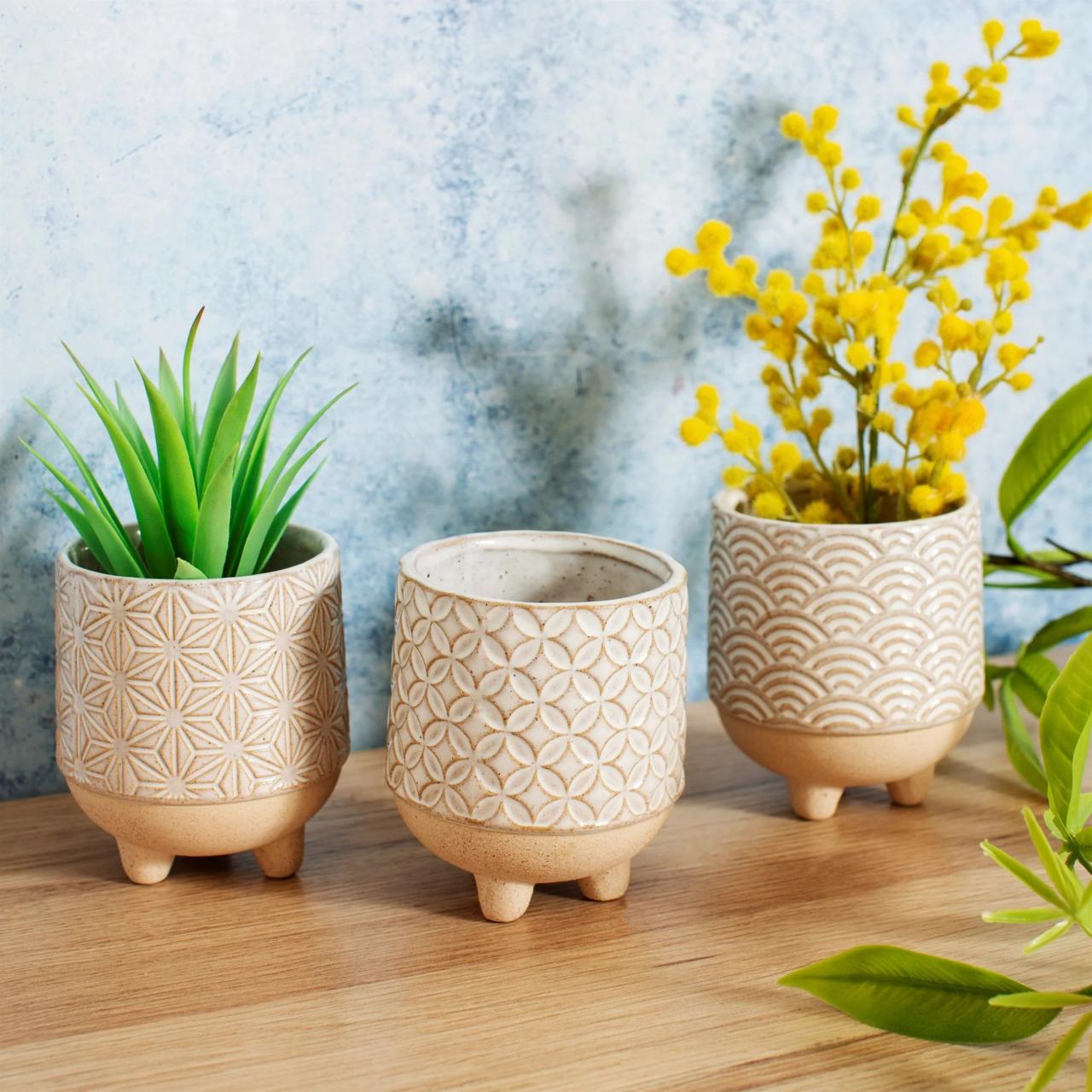
Japanese wall-mounted plant pots offer a captivating blend of aesthetics and practicality. Beyond their visual appeal, these pots cater to diverse needs and styles, ranging from traditional, minimalist designs to contemporary, bold forms. Understanding the variations in materials, shapes, and sizes is key to selecting the perfect pot to complement your indoor oasis.Contemporary Japanese design often emphasizes simplicity and functionality, while traditional styles incorporate intricate details and historical influences.
These differences manifest in the choice of materials, the shaping of the pot, and the overall size, all contributing to a unique aesthetic experience.
Material Differences
The material selection for wall-mounted plant pots profoundly impacts their aesthetic appeal and longevity. Ceramic pots, a traditional choice, offer a warm, earthy tone and a robust construction. They are often hand-crafted, adding to their artisanal quality. Metal pots, conversely, present a modern, sleek alternative, available in various finishes, from brushed steel to polished copper. This range allows for greater design flexibility, adapting to contemporary interiors.
Shape and Size Variations
The shape of a wall-mounted pot significantly impacts its visual impact. Traditional designs often feature cylindrical shapes, reflecting a timeless aesthetic. Contemporary styles embrace geometric shapes, from squares and rectangles to more organic, flowing lines. These shapes can be matched to specific plant types and interior styles. Size also plays a crucial role.
Smaller pots are ideal for smaller plants, while larger pots accommodate larger specimens, creating a more substantial statement.
Traditional Versus Contemporary
A key distinction lies in the difference between traditional and contemporary styles. Traditional designs, often crafted from ceramic, tend toward smaller, cylindrical forms, emphasizing a connection to nature and the past. Contemporary styles, frequently made from metal, are characterized by bolder, geometric shapes and larger sizes, reflecting a more modern aesthetic.
Care Requirements Comparison
The care requirements for wall-mounted pots vary depending on the material. Ceramic pots generally require less maintenance but might be more prone to chipping or breakage. Metal pots, especially those made of wrought iron or steel, require regular cleaning to prevent rust or corrosion. Proper care ensures the longevity and aesthetic appeal of your chosen wall-mounted plant pot.
| Type | Material | Shape | Size | Care |
|---|---|---|---|---|
| Traditional | Ceramic | Cylindrical, sometimes with subtle embellishments | Small to medium | Regular cleaning, inspect for cracks or chips. |
| Contemporary | Metal (e.g., steel, copper, wrought iron) | Geometric, organic, or sleek | Medium to large | Regular cleaning to prevent rust/corrosion, avoid harsh chemicals. |
| Modern Minimalist | Ceramic or metal (often with a matte finish) | Simple, clean lines (often with a slight taper) | Small to medium | Regular cleaning, avoid harsh chemicals for metal. |
Design Considerations
Japanese wall-mounted plant pots, with their elegant simplicity, offer a unique way to bring nature indoors. However, choosing the right pot requires careful consideration of the plant’s specific needs and the overall aesthetic of the space. Proper selection ensures thriving plants and a harmonious environment.
Plant Needs and Pot Selection
Choosing a pot that aligns with the plant’s needs is crucial for its health and longevity. Different plant species have varying water and light requirements. A pot that retains too much moisture can lead to root rot, while one that drains excessively may cause dehydration. Consider the plant’s natural growth habits. A trailing plant, for example, might thrive in a wider, shallower pot, while a bushy plant might benefit from a taller, narrower design.
Material selection also matters. Terracotta, known for its breathability, is excellent for plants needing good drainage, while glazed ceramic pots, while visually appealing, might require more careful watering management to prevent overwatering.
Aesthetic Harmony
The pot’s design should complement the overall room’s aesthetic. A minimalist room might benefit from a simple, unadorned pot, while a more ornate space might welcome a pot with intricate details. The color, texture, and shape of the pot should harmonize with existing furniture, artwork, and decor elements. A vibrant, colorful pot might be ideal in a bold, modern space, while a muted, neutral-toned pot could enhance a serene, traditional environment.
Pot Size and Plant Growth
Pot size significantly impacts plant growth. A pot that’s too small can restrict root development, hindering the plant’s ability to absorb nutrients and water. This can lead to stunted growth and reduced overall health. Conversely, a pot that’s excessively large might lead to the plant focusing more on filling the space than on growing robustly. The ideal pot size should provide enough space for the plant’s root system to expand comfortably without being overly generous.
A general rule of thumb is to choose a pot slightly larger than the root ball of the plant.
Optimal Placement Factors
Several factors influence the optimal placement of a wall-mounted plant pot. Consider the plant’s light requirements. A plant that thrives in bright, indirect light should be positioned near a window, while a plant that prefers shade should be placed away from direct sunlight. Observe the plant’s natural growth direction. Placing the pot in a way that allows the plant to grow towards a desirable view or area can enhance its visual appeal.
The pot’s proximity to other furniture, decor, and pathways should also be considered to avoid blocking traffic or creating visual clutter.
Ideal Pot Sizes and Shapes for Various Plants
| Plant Type | Ideal Pot Size (in inches) | Ideal Pot Shape |
|---|---|---|
| Pothos | 6-8 | Hanging or wide, shallow |
| ZZ Plant | 6-10 | Round or slightly tapered |
| Snake Plant | 6-8 | Round or square |
| Spider Plant | 8-10 | Hanging or wide, shallow |
| Peace Lily | 8-12 | Round or slightly tapered |
Note: These are general guidelines. Specific needs may vary depending on the individual plant and its growth stage.
Placement and Installation
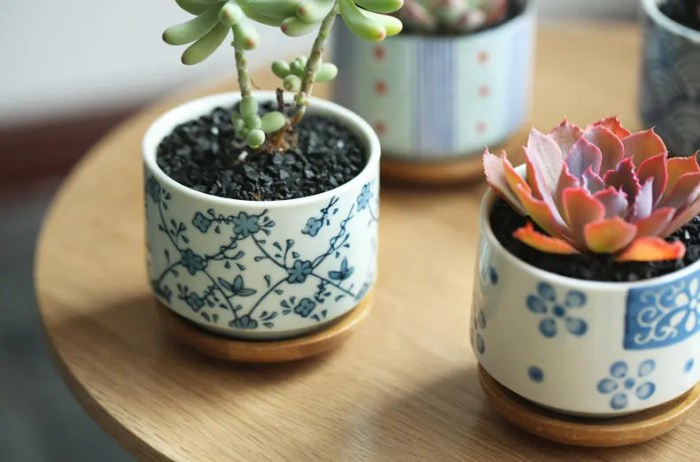
Ensuring a wall-mounted plant pot’s longevity and aesthetic appeal hinges critically on proper installation. A securely fastened pot not only safeguards the plant’s well-being but also contributes to the overall harmony of the interior design. Careful consideration of mounting methods and meticulous installation are paramount for a successful outcome.A well-installed wall-mounted pot can elevate the visual impact of a space, while a poorly mounted one can detract from the aesthetic.
The process should be approached methodically, prioritizing both safety and the desired aesthetic. The choice of mounting method depends on the specific pot design, the wall material, and the desired level of security.
Mounting Method Selection
Different mounting methods offer varying degrees of security and ease of installation. Understanding the advantages and disadvantages of each method is crucial for making an informed decision. Adhesive mounts are quick and easy to apply, but their hold can be less reliable than other methods, particularly in high-moisture or high-vibration environments. Screws offer a more robust and permanent solution, but they require drilling, potentially altering the wall’s surface.
Brackets provide an intermediary option, offering both aesthetic appeal and strong support.
Step-by-Step Installation (Screw Method)
This method is ideal for permanent mounting and ensures maximum stability. The specific steps may vary depending on the pot design, but the general procedure follows these guidelines:
- Prepare the Wall: Ensure the wall surface is clean, dry, and free of debris. Use a suitable drill bit to create pilot holes at the designated mounting points. The pilot holes help to prevent the screw from stripping the wood or drywall.
- Mark the Mounting Points: Carefully mark the precise locations for the mounting points on the wall. Use a pencil or a marking pen to ensure accuracy. Consider the weight of the pot and the plant it will hold when determining the location and spacing of the screws.
- Install the Anchors (if necessary): For drywall or other less-rigid surfaces, use wall anchors to provide added support and prevent the screws from pulling through. The type of anchor should be chosen based on the material of the wall.
- Secure the Pot: Insert the screws into the wall anchors or pilot holes. Tighten the screws firmly to secure the pot to the wall, ensuring the pot is aligned correctly. Avoid over-tightening, which could damage the pot or the wall.
- Inspect and Adjust: Thoroughly check the mounting for stability. Make any necessary adjustments to ensure a secure fit before adding the plant.
Pros and Cons of Mounting Methods
| Mounting Method | Pros | Cons |
|---|---|---|
| Adhesive | Easy installation, quick application, and potentially less disruptive to the wall surface. | Less secure than screws or brackets, potentially prone to failure in high-moisture or high-vibration environments, and may not be suitable for heavy pots. |
| Screws | Secure mounting, durable, and suitable for heavier pots. | Requires drilling, potentially altering the wall’s surface, and needs careful consideration to avoid damaging the wall or the pot. |
| Brackets | Aesthetically pleasing, secure, and offer versatile mounting options. | Installation can be more complex than adhesive or screws, potentially requiring specialized tools. |
Plant Selection and Care
Choosing the right plants for wall-mounted pots is crucial for their long-term health and aesthetic appeal. Proper selection considers the plant’s growth habit, light requirements, and the space limitations inherent in these vertical displays. Care must also be tailored to these unique conditions. A well-chosen and well-maintained plant will flourish, adding a vibrant touch to the home or office space.Careful consideration of a plant’s growth habit and needs is paramount in ensuring its success in a wall-mounted pot.
Plants with compact growth forms are ideal for limited vertical space. This approach allows the plant to thrive without overwhelming the pot or intruding on surrounding areas.
Suitable Plants for Wall-Mounted Pots
Plants with a naturally compact growth habit, such as succulents, air plants, pothos, and certain types of ferns, are well-suited for wall-mounted pots. These plants typically require less space and less water than larger, more expansive varieties. Their ability to adapt to a contained environment makes them ideal candidates. For example, miniature succulents, like the ‘Haworthia’ or ‘Echeveria’, are known for their compact growth and tolerance of low-light conditions, making them excellent choices for wall-mounted pots.
Selecting Plants for Limited Space
When selecting plants for wall-mounted pots, prioritize compact varieties. Look for plants with a naturally contained growth habit. This selection strategy will prevent the plant from becoming too large for its container. Consider dwarf varieties or cultivars bred for smaller sizes. These characteristics contribute to the success of a plant in a constrained vertical environment.
Detailed Care for Wall-Mounted Plants
Maintaining plants in wall-mounted pots requires specific attention to their unique needs. Watering is crucial, but overwatering is a common pitfall. Use a well-draining potting mix, allowing excess water to drain readily. Adjust watering frequency based on the plant’s specific needs and the environment. Regular monitoring of the soil moisture is essential.
Importance of Watering and Light
Proper watering and light are critical for the health and vitality of plants in wall-mounted pots. Overwatering can lead to root rot, while insufficient watering can cause dehydration. Adequate light is equally important for photosynthesis and overall growth. Plants need a specific amount of light to thrive, and providing that amount will greatly affect their health and appearance.
Observe the plant’s growth and adjust watering and light accordingly.
Ideal Light Conditions for Different Plants
Proper lighting is crucial for the well-being of wall-mounted plants. The ideal light conditions vary significantly depending on the species. Understanding these variations ensures optimal plant health.
- Succulents and cacti thrive in bright, indirect light or even direct sunlight for short periods. Avoid placing them in low-light areas.
- Pothos and ferns often prefer bright, indirect light but can tolerate lower light conditions. Avoid direct sunlight, which can scorch their leaves.
- Air plants can tolerate a wide range of light conditions, from bright, indirect light to partial shade. Their adaptability makes them a versatile choice for wall-mounted displays.
Maintenance and Cleaning
Maintaining the aesthetic appeal and longevity of Japanese-style wall-mounted plant pots hinges on consistent cleaning and preventative measures. Proper maintenance ensures the pots retain their beauty and protects the plants thriving within them. Ignoring these aspects can lead to the development of unsightly mold, mildew, or pest infestations, impacting both the pot’s appearance and the plant’s health.Effective cleaning and maintenance practices are crucial for preserving the integrity and aesthetic appeal of these decorative elements.
This includes understanding the various materials used, the frequency of cleaning, and preventative measures to deter potential problems.
Cleaning Methods for Different Materials
Understanding the material composition of the pot is paramount to selecting the appropriate cleaning method. Ceramic, terracotta, and metal pots each respond differently to cleaning solutions. Ceramic and terracotta pots are often cleaned with mild dish soap and warm water. Metal pots, on the other hand, might require a specialized cleaner to avoid damage to the finish.
For example, brass or copper pots often benefit from a solution of white vinegar and water. Always test any cleaning solution on a small, inconspicuous area first to prevent unintended damage.
Frequency of Cleaning and Maintenance
The frequency of cleaning and maintenance depends on the environment and the specific type of pot. In high-humidity areas, more frequent cleaning might be necessary. Indoor pots, with less exposure to dust and debris, might only require cleaning every few months. Outdoor pots, especially those in exposed locations, could benefit from monthly or even bi-weekly cleaning to remove accumulated dust, pollen, or debris.
Addressing Mold and Mildew
Mold and mildew can quickly mar the aesthetic appeal of a wall-mounted pot and can harm the plants. If mold or mildew appears, promptly address the issue. A solution of diluted bleach and water can be effective in tackling the problem. However, be cautious when using bleach and ensure proper ventilation during and after application. Also, examine the environment to identify the root cause of the moisture problem.
For instance, inadequate drainage or poor ventilation in the area can contribute to mold and mildew growth.
Preventing Pests
Regular inspection for pests is essential to preventing infestations. Look for signs like small holes in the pot, or insects on the plant or pot itself. Neem oil is an effective natural insecticide and pest deterrent. Maintaining good plant hygiene and appropriate watering techniques can also help prevent pests from taking hold. Inspecting plants and pots regularly, as well as keeping them well-maintained, can significantly reduce the risk of pest problems.
Integration into Interior Design
Japanese-style wall-mounted pots offer a sophisticated way to bring nature indoors, enhancing any space’s aesthetic appeal and fostering a serene atmosphere. Their minimalist forms and elegant lines make them a versatile addition to various interior design styles, from contemporary to traditional. Careful consideration of the pot’s shape, color, and placement is key to achieving a harmonious and visually appealing integration.The choice of wall-mounted pot should complement, rather than clash with, the existing décor.
This careful consideration of color palettes, textures, and overall design theme creates a cohesive aesthetic. By selecting pots that echo the design elements in the room, a seamless blend between nature and interior design can be achieved.
Minimalist Interiors
Minimalist interiors prioritize clean lines, neutral colors, and uncluttered spaces. Wall-mounted pots, particularly those with simple, geometric shapes and muted tones like grey, white, or beige, seamlessly integrate into this aesthetic. Imagine a small, square pot holding a succulent, mounted above a sleek console table in a living room. The minimalist design emphasizes the plant’s natural beauty, without overwhelming the space.
The use of a single, striking plant, such as a fiddle leaf fig in a simple ceramic pot, can further enhance the room’s uncluttered ambiance.
Modern Interiors
Modern interiors embrace bold lines, geometric shapes, and a blend of materials. Wall-mounted pots with angular designs, metallic finishes (e.g., copper, brushed nickel), or contrasting colors (e.g., deep emerald green, burnt orange) can add a contemporary touch. A grouping of varying sizes and shapes of wall-mounted pots, perhaps in different metallic finishes, can create a dynamic visual display above a modern fireplace.
In a kitchen with stainless steel appliances, a sleek, black pot housing a compact fern or a trailing pothos can accentuate the modern, clean lines.
Rustic Interiors
Rustic interiors evoke a warm and inviting ambiance, often featuring natural materials like wood and stone. Wall-mounted pots made from natural materials like terracotta, weathered wood, or dark grey stone are ideal choices for this style. Consider a collection of varying sizes and heights of terracotta pots holding a variety of small plants and herbs mounted along a rustic brick wall in a kitchen or dining area.
The earthy tones and organic shapes of these pots create a natural focal point, blending seamlessly with the surrounding décor. A large, rustic pot, mounted above a farmhouse-style table, could hold a larger plant such as a fiddle-leaf fig or a philodendron, enhancing the overall warmth and character of the room.
Placement and Arrangement
A balanced arrangement of wall-mounted pots is essential for a harmonious aesthetic. Consider the height of the plants and the pots, ensuring they complement the surrounding furniture and artwork. In a living room, a grouping of three pots of varying heights and shapes, but in a similar color scheme, can add visual interest. In a bedroom, a single, large pot placed above a headboard can provide a focal point and introduce a touch of greenery.
For a kitchen, a row of smaller pots, holding herbs or small leafy plants, mounted above a countertop can add a touch of freshness and a functional display.
Color and Shape Considerations
The color of the pot can significantly impact the overall design. Neutral colors like beige, white, or grey create a subtle backdrop, while bold colors can add a pop of vibrancy. Consider the color scheme of the room and choose pots that complement existing décor. The shape of the pot also plays a role. Geometric shapes, like squares or rectangles, create a modern feel, while organic shapes, like ovals or circles, evoke a more natural and calming effect.
Experiment with different shapes and sizes to find the best fit for the space and desired aesthetic.
Sustainability and Eco-Friendliness
Japanese-style wall-mounted plant pots, with their aesthetic appeal and practical function, are increasingly integrated into modern homes. However, the environmental footprint of the materials used in their construction is a crucial consideration. Consumers and designers are now actively seeking sustainable alternatives to ensure the long-term viability of this trend.Choosing eco-friendly materials and manufacturing processes is not just a trend; it’s a vital step towards a more sustainable future.
It minimizes the negative impact on the environment, supports responsible sourcing, and reduces the carbon footprint of the entire product lifecycle.
Environmental Impact of Materials
The materials used in wall-mounted pots significantly impact their environmental footprint. Heavy metals, such as lead and cadmium, found in some ceramic glazes, can leach into the soil and potentially harm plant health. Using unsustainable or non-recyclable materials like certain plastics contributes to waste accumulation. The manufacturing process itself, including energy consumption and transportation, further adds to the overall carbon footprint.
Sustainable and Eco-Friendly Materials
Several sustainable and eco-friendly materials offer alternatives to traditional options. Recycled clay, for example, can be used to create pots with minimal environmental impact. Bamboo and reclaimed wood are both renewable resources that can provide aesthetically pleasing and durable pots. Natural fiber composites, made from materials like jute or sisal, are lightweight and biodegradable. Terracotta, while sometimes seen as less sustainable, can be a viable option if sourced responsibly from areas with sustainable practices.
Examples of Sustainable Companies and Brands
Numerous companies are actively incorporating sustainable practices into their production processes. Look for brands that use recycled materials, employ ethical sourcing, and prioritize reducing their carbon footprint. Certifications like the Forest Stewardship Council (FSC) for wood and other sustainability labels can guide your choices. Brands committed to circular economy principles by designing products for disassembly and reuse also deserve consideration.
Recycling and Repurposing
The ability to recycle or repurpose a wall-mounted pot is a critical factor in its sustainability. Clay pots, for instance, can be crushed and used as aggregate in construction projects. Recycled clay pots can also be used as filler material for other construction or landscaping tasks. Many materials, like natural fibers, can be composted or recycled. Knowing the material composition and potential for reuse or recycling can greatly influence the environmental impact of the product.
When possible, seek out pots designed with future recycling or reuse in mind.
Cost and Accessibility
Japanese wall-mounted plant pots, a stylish addition to any interior, vary significantly in price, reflecting the materials, craftsmanship, and brand recognition. The availability of these pots depends on the location and the type of retailer, with online platforms offering broader selections and global reach. Understanding the factors impacting cost is crucial for selecting the perfect pot within one’s budget.
Pricing Ranges
Japanese-style wall-mounted pots span a broad price spectrum, influenced by several factors. Budget-friendly options can be found for under $50, often crafted from ceramic or resin. Mid-range pots, made of ceramic or glazed terracotta, typically fall between $50 and $200, and often feature intricate designs or unique shapes. Premium pots, frequently constructed from high-quality materials like hand-painted ceramics or metal, can command prices exceeding $200, showcasing exceptional artistry and durability.
Retailer Options
Numerous avenues offer access to Japanese wall-mounted pots. Online retailers like Etsy, Amazon, and specialized design stores provide a vast selection and global reach, allowing for convenient comparison shopping. Local home décor shops and garden centers may stock a curated collection, offering the chance to personally inspect the quality and aesthetics of the pots. Japanese cultural centers or shops dedicated to Asian crafts may offer a unique, often handcrafted, selection of these pots, though availability might be more limited.
Cost-Influencing Factors
Several factors affect the price of wall-mounted plant pots. Materials, including the type of ceramic, the glaze, the metal alloy, or the use of intricate carving techniques, significantly impact cost. Handcrafted pieces, requiring considerable time and skill, command higher prices. Design complexity and the presence of unique elements, such as hand-painted details or intricate patterns, also influence the final cost.
Finally, brand recognition and the retailer’s overhead costs play a role in the price.
Budget-Friendly Options
Budget-conscious consumers can still find attractive and functional Japanese wall-mounted pots. Look for options made from ceramic or resin, materials often associated with lower price points. Retailers like Amazon often have sales and discounts, providing further avenues to save. Alternatively, consider purchasing from smaller, independent online retailers or local stores, where prices may be more competitive due to lower overhead costs.
Consider purchasing from sellers who offer bulk discounts or special offers. These budget-friendly pots can still contribute significantly to the aesthetic appeal of a space.
History and Evolution of Wall-Mounted Pots
From humble beginnings as functional containers to sophisticated design elements, wall-mounted plant pots have evolved alongside societal shifts and aesthetic preferences. Their journey reflects a deep-rooted human connection with nature, adapting to changing needs and cultural influences. This evolution is marked by a constant interplay between practicality and artistry.Early forms of wall-mounted containers, while not specifically designed for plants, served similar functions.
These early iterations were often simple, utilitarian structures, integral to the building’s overall design, highlighting the practical application of wall space. The transition to dedicated plant containers reflects an increasing appreciation for the aesthetic value of greenery within interior spaces.
Early Forms and Influences
Early wall-mounted pots, predating the widespread use of ceramic, were often crafted from readily available materials like wood, stone, or clay. Their designs were intrinsically tied to the architecture of the period, frequently integrated into the building’s structural elements. For example, ancient Egyptian and Mesopotamian wall niches sometimes incorporated plant-holding containers, reflecting the importance of horticulture in daily life.
These early examples demonstrate the integration of practicality and aesthetics in early civilizations.
Design Elements Across Time
Several key design elements have persisted throughout the evolution of wall-mounted pots. The use of materials like clay, ceramic, and wood, while evolving in sophistication and refinement, has remained prominent. Furthermore, the integration of pots with architectural elements, such as niches or built-in structures, continues to be a recurring theme. The balance between the pot’s size and shape in relation to the surrounding environment, and the plants they hold, has always been a critical aspect of design.
Cultural Variations
Different cultures have contributed unique designs and aesthetics to the history of wall-mounted pots. For instance, Japanese Zen gardens often feature meticulously crafted wall-mounted containers, emphasizing simplicity and minimalism in both the vessel and the plant life. Similarly, traditional Chinese garden design often employs intricately painted and decorated ceramic pots, reflecting a cultural appreciation for elaborate artistry. These examples demonstrate how cultural values and aesthetic preferences shaped the evolution of these containers.
Examples in Museums and Galleries
Numerous museums and galleries house collections of historical wall-mounted pots. The Victoria and Albert Museum in London, for example, has a significant collection of ceramic and porcelain containers, showcasing the evolution of craftsmanship across various periods. The Metropolitan Museum of Art in New York City holds similar artifacts, providing insight into the diverse cultural influences that shaped their design.
Such collections provide invaluable opportunities to trace the development of this type of container over time and appreciate the evolution of artistic expression.
End of Discussion
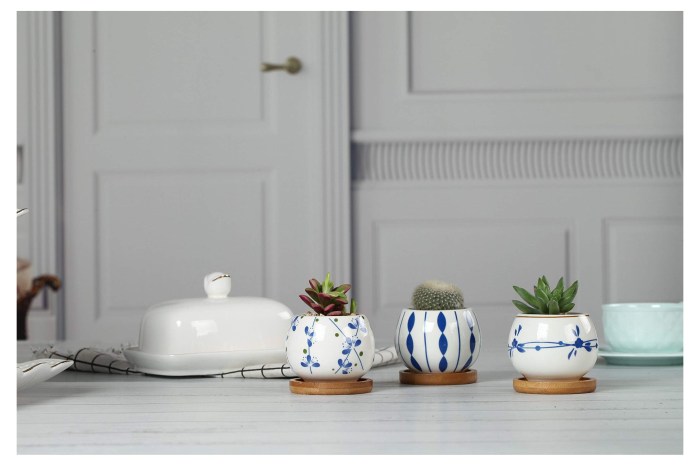
Japanese wall-mounted plant pots offer a compelling blend of artistry and functionality, enriching interior spaces with a touch of Japanese aesthetic. Their versatility, from traditional ceramic to contemporary metal, allows for a personalized expression. Understanding the nuances of these pots—from the materials and shapes to the cultural context—is key to integrating them harmoniously into any home’s décor. Ultimately, this deep dive showcases how these pots elevate the art of plant display.
